
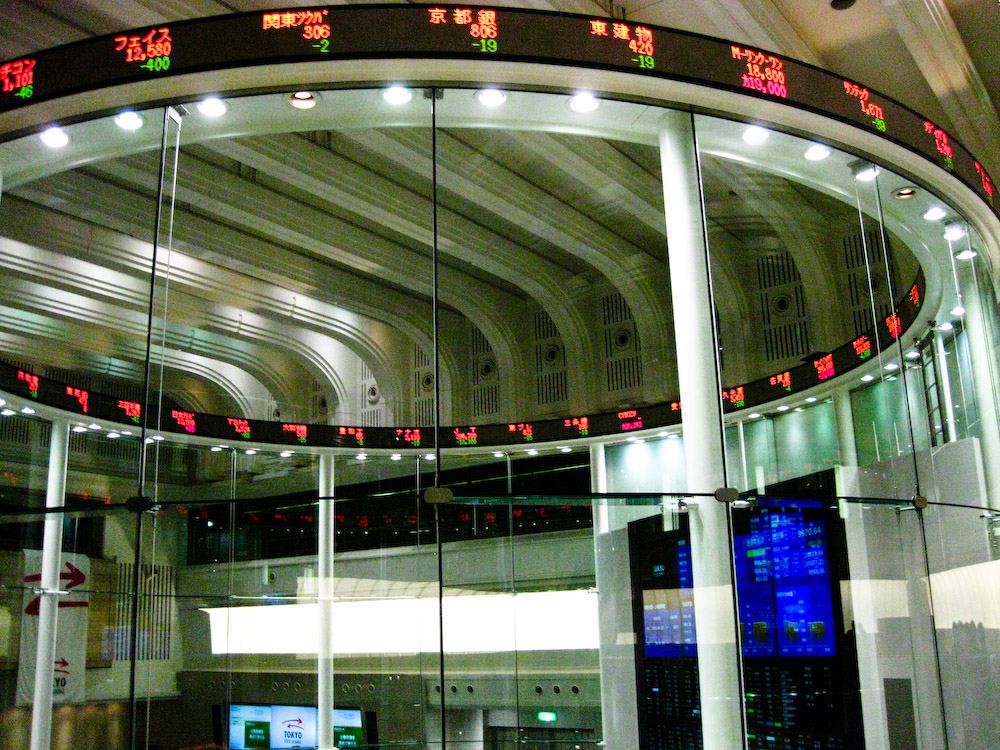
A trading screen can overwhelm anyone, with prices flickering, charts climbing and falling, and headlines competing for attention in every corner. Experienced investors say the real skill is not reacting fastest, but knowing which numbers actually matter for a long term plan. A headline price, on its own, tells you very little about whether a company is healthy, fairly valued, or suitable for your goals. Looking instead at earnings trends, debt levels, and how a holding fits the wider portfolio usually leads to steadier decisions. That slower, fuller reading of the screen is becoming a defining habit for households who invest regularly rather than chasing daily excitement and noise.
What the Evidence Shows
Advisers suggest building a simple routine before any trade, starting with why the investment was bought in the first place and whether that reason still holds. Checking how volatile a stock has been, how it behaves when markets fall, and what share of savings it represents can prevent one dramatic day from undoing years of careful saving. Diversification also matters, because a screen full of similar companies can create hidden concentration risk. None of this removes uncertainty, and markets will still surprise everyone at times. But investors who read context rather than colour tend to panic less, trade less impulsively, and keep their long term plans intact. Reporting and analysis from sources such as International Monetary Fund track the same developments, and specialists following calmer reading of market screens say the direction is now consistent across independent lines of evidence.
The Wider Context
The wider context is a financial system repricing risk after a long era of cheap money. Decisions shaped by calmer reading of market screens are being made under closer supervisory attention, with stress tests and disclosure rules that assume conditions can worsen quickly. Institutions that planned for the benign case are adjusting in public, which is uncomfortable and healthy in equal measure.
What Happens Next
What happens next with calmer reading of market screens will be visible first in the data that professionals watch weekly: flows, spreads and the terms on new deals. Participants who spoke for this article expect a period of adjustment rather than drama, with the biggest effects landing on those who assumed the old conditions were permanent. Planning, as ever, is the cheapest hedge. You can follow related developments in our coverage of finance.
There is a practical lesson in all of this for readers deciding what to do today. Start with the verified facts, be wary of anyone promising certainty, and prefer reversible steps while the evidence is still developing. Circumstances differ by country, income and personal situation, so general guidance should always be weighed against your own context before you act on it in any significant or lasting way.