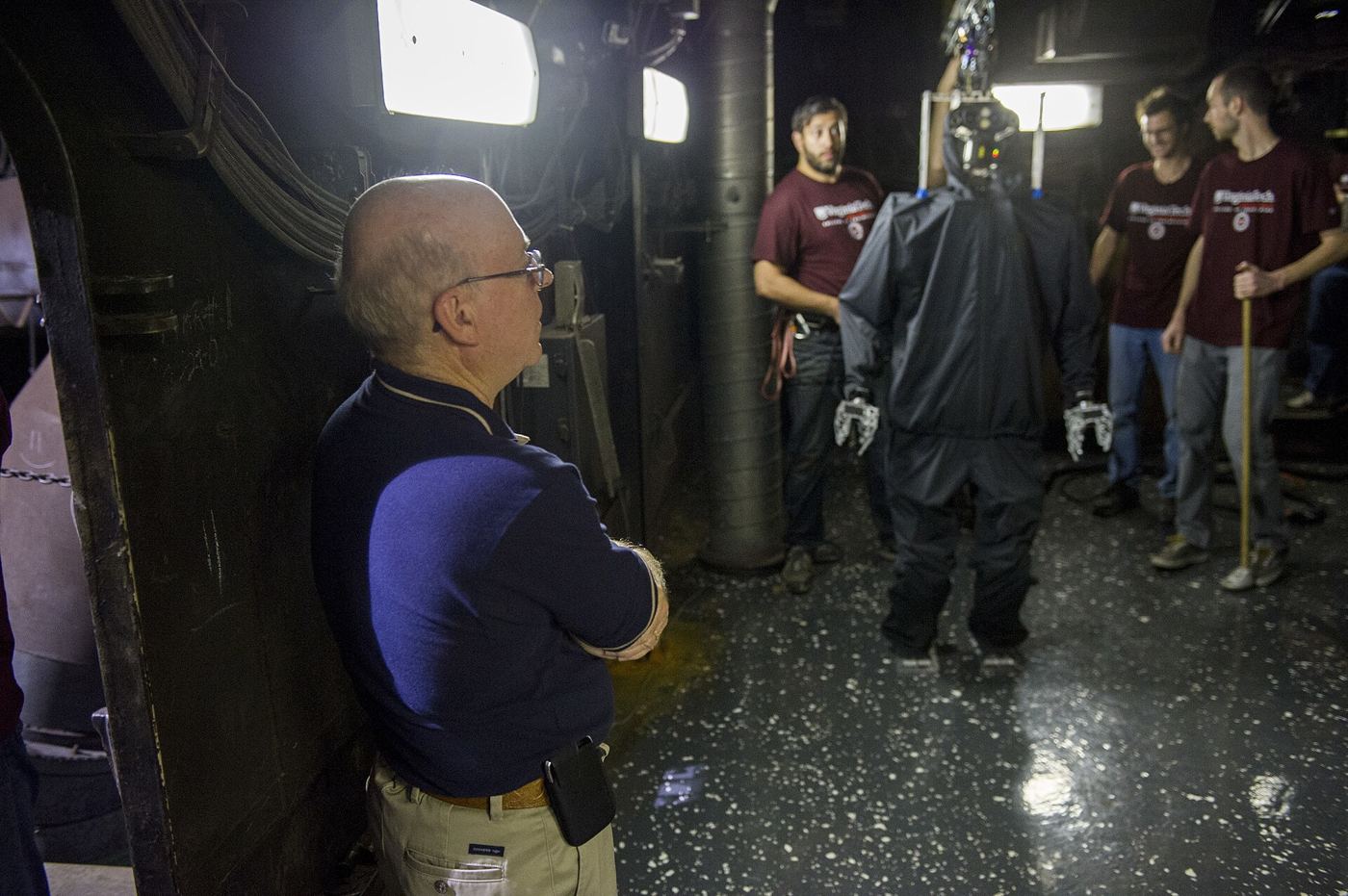
Engineers have begun a new round of safety trials for humanoid robots designed to work alongside people in factories, hospitals and warehouses. The latest machines can walk across uneven floors, lift moderate loads and stop immediately when a person steps into their path. Researchers say the focus has shifted from impressive demonstrations to reliable everyday performance over long shifts. During testing, robots repeat the same tasks hundreds of times while sensors record balance, grip strength and reaction times. Any fault is logged and reviewed before the next run begins. Specialists following humanoid robot safety trials say consistent behaviour matters more than speed at this stage. Factories want machines that can handle routine jobs without creating new risks for staff nearby. The trials also examine how workers react to robots sharing the same space. Early feedback suggests clear signals, predictable movements and simple controls help people feel comfortable. If the results hold, pilot deployments in real workplaces could expand next year, starting with night shifts and repetitive handling tasks where staff shortages are most acute.
What the Evidence Shows
The testing programme includes emergency stops, power failures and blocked pathways to see how the robots respond under pressure. Engineers deliberately create difficult conditions, such as low light, wet floors and unexpected obstacles, to uncover weaknesses before commercial use. Software updates are applied between sessions, and each version must pass the full test sequence again. That discipline is slowing release dates, but manufacturers argue it builds trust with regulators and employers. Insurance firms are also watching closely, since clear safety evidence could lower premiums for sites using the machines. Training will be another major factor. Technicians will need skills in maintenance, diagnostics and safe supervision, creating new roles even as some manual tasks change. Unions have asked for consultation before wider rollouts. For now, the laboratory results are promising but cautious. The robots complete most tasks reliably, yet human oversight remains essential for complex decisions and unusual situations. Reporting and analysis from sources such as MIT Technology Review track the same developments, and specialists following humanoid robot safety trials say the direction is now consistent across independent lines of evidence.
The Wider Context
The wider context is an industry learning to ship capability and restraint together. Products built around humanoid robot safety trials now launch with safety evaluations, usage data and rollback plans as standard, because enterprise buyers and regulators ask for them in the first meeting. Companies that treated those questions as friction are discovering they have become the purchase criteria.
What Happens Next
What happens next for humanoid robot safety trials depends less on another breakthrough than on the unglamorous work of reliability, pricing and support. The buyers evaluating it now are not enthusiasts; they are operators with budgets and auditors, and their checklists will decide the timeline. On the evidence of the current pilots, the technology has earned the right to be judged by them. You can follow related developments in our coverage of technology.
There is a practical lesson in all of this for readers deciding what to do today. Start with the verified facts, be wary of anyone promising certainty, and prefer reversible steps while the evidence is still developing. Circumstances differ by country, income and personal situation, so general guidance should always be weighed against your own context before you act on it in any significant or lasting way.