
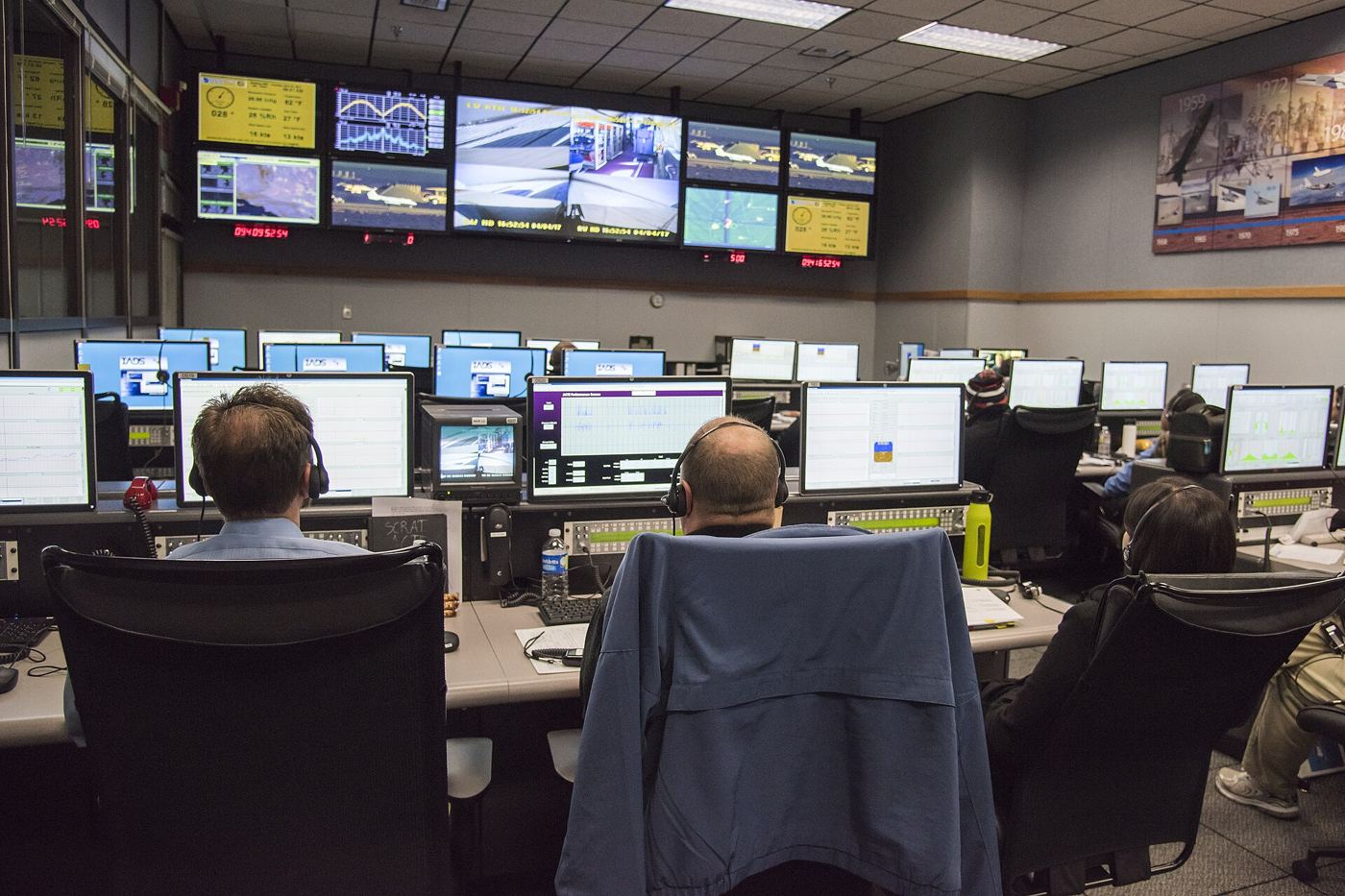
When a major website goes offline, attention usually falls on the outage itself, yet the quiet work that prevents most failures happens long before anything breaks. Inside modern data centres, engineers walk the server aisles checking power feeds, network switches and backup systems that are designed to take over instantly if a primary supply fails. Resilience planning now layers those backups carefully, so a single fault, a local power dip or a damaged cable does not cascade into a wider shutdown. For hospitals, banks and public services that depend on always available systems, that unseen redundancy is the difference between a brief hiccup and a serious disruption to daily life for thousands of people. Regular testing schedules are published internally, and results are reviewed by senior managers who track how quickly each simulated failure was contained and resolved.
What the Evidence Shows
Designing for failure rather than hoping it never happens has become the guiding principle for facility teams. Servers are spread across separate power domains, data is copied between sites, and recovery drills test whether staff can restore services under genuine time pressure, not just on paper. Engineers also monitor thousands of sensors for early warnings, from a fan running slightly fast to a battery losing charge more quickly than expected. The challenge is balancing resilience against cost and energy use, since duplicated equipment still draws power. Well run facilities treat every near miss as a lesson, refining procedures so the next fault is handled faster and with less risk. Independent audits add another layer of assurance, examining maintenance records and access controls so customers can trust that resilience claims reflect daily practice, not marketing. Reporting and analysis from sources such as MIT Technology Review track the same developments, and specialists following data centre resilience and backup planning say the direction is now consistent across independent lines of evidence.
The Wider Context
The wider context is an industry learning to ship capability and restraint together. Products built around data centre resilience and backup planning now launch with safety evaluations, usage data and rollback plans as standard, because enterprise buyers and regulators ask for them in the first meeting. Companies that treated those questions as friction are discovering they have become the purchase criteria.
What Happens Next
What happens next for data centre resilience and backup planning depends less on another breakthrough than on the unglamorous work of reliability, pricing and support. The buyers evaluating it now are not enthusiasts; they are operators with budgets and auditors, and their checklists will decide the timeline. On the evidence of the current pilots, the technology has earned the right to be judged by them. You can follow related developments in our coverage of technology.
There is a practical lesson in all of this for readers deciding what to do today. Start with the verified facts, be wary of anyone promising certainty, and prefer reversible steps while the evidence is still developing. Circumstances differ by country, income and personal situation, so general guidance should always be weighed against your own context before you act on it in any significant or lasting way.