
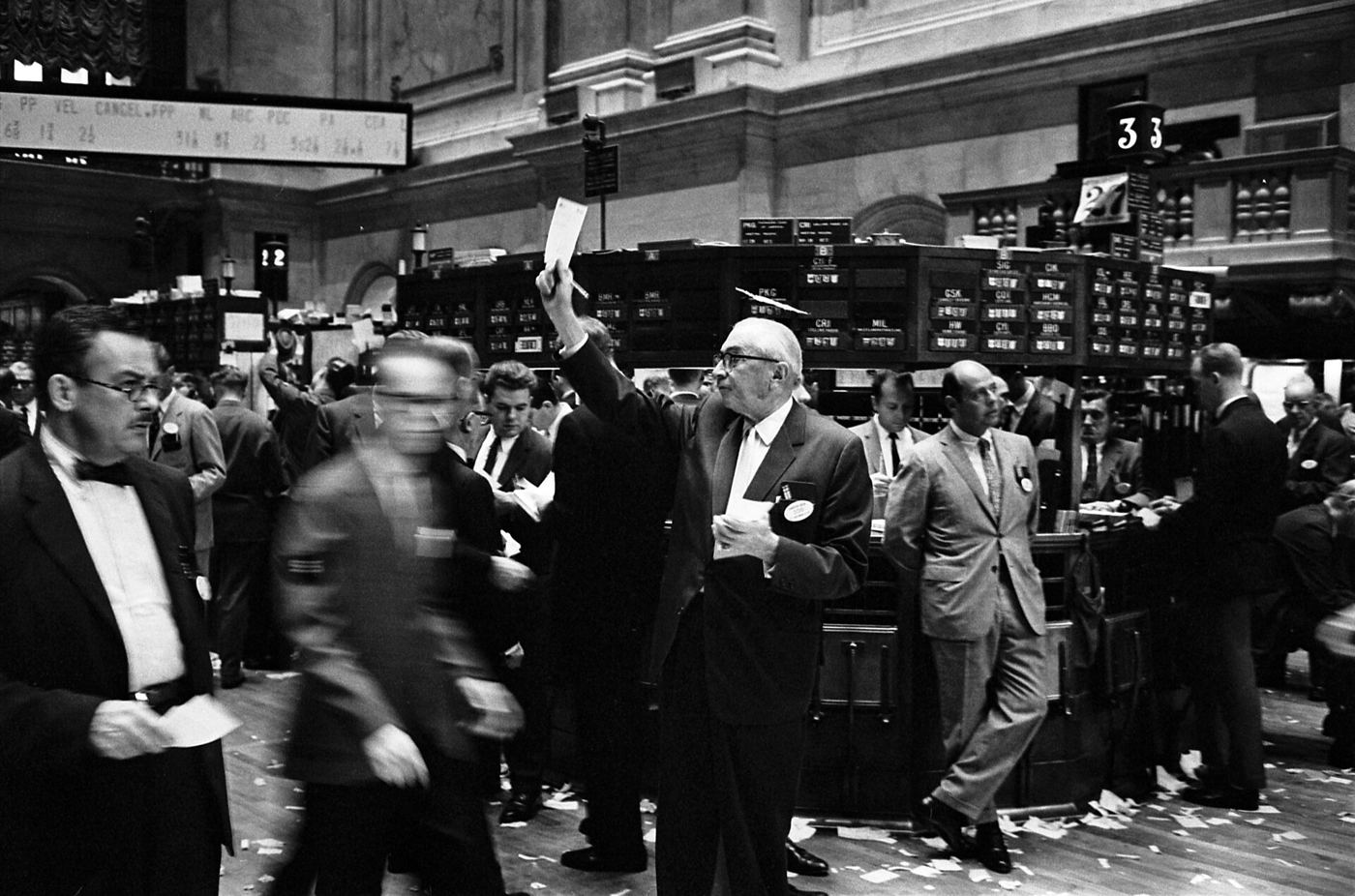
The S&P 500 fell 2.0 percent on Thursday 19 November, its sixth consecutive daily loss and the longest losing streak for the index in two and a half years. The Dow Jones Industrial Average dropped 1,101 points, or 2.2 percent, to 49,097.06, its first close below 50,000 since June, while the Nasdaq Composite also fell 2.2 percent. The slide came even as Anthropic priced the largest initial public offering in history, a reminder that strong headlines are no longer enough to lift the market. The VIX volatility index jumped to about 29 as investors rushed for protection. Monday had set the tone for the week, with the S&P down 1.9 percent and the Nasdaq down 2.5 percent as Nvidia led another technology sell-off.
What the Evidence Shows
The selling has centred on companies tied to the artificial intelligence build-out, where investors are questioning whether enormous spending will ever pay off. The Nasdaq slipped into correction territory on 5 November, when the S&P 500 suffered its worst day since the April 2025 tariff sell-off, falling 4.4 percent. New chip export limits and worries about tighter oversight of data centres after the midterm elections added to the pressure. Even with the November drop, American stocks were still positive for the year as of 19 November, and some of the market’s less-loved corners led the way. The S&P 500’s deepest drop of 2026 through mid-November, about 9 percent, was milder than the average yearly decline. Reporting and analysis from sources such as International Monetary Fund track the same developments, and specialists following the S&P 500 losing streak say the direction is now consistent across independent lines of evidence.
The Wider Context
The wider context is a financial system repricing risk after a long era of cheap money. Decisions shaped by the S&P 500 losing streak are being made under closer supervisory attention, with stress tests and disclosure rules that assume conditions can worsen quickly. Institutions that planned for the benign case are adjusting in public, which is uncomfortable and healthy in equal measure.
What Happens Next
What happens next with the S&P 500 losing streak will be visible first in the data that professionals watch weekly: flows, spreads and the terms on new deals. Participants who spoke for this article expect a period of adjustment rather than drama, with the biggest effects landing on those who assumed the old conditions were permanent. Planning, as ever, is the cheapest hedge. You can follow related developments in our coverage of finance.
There is a practical lesson in all of this for readers deciding what to do today. Start with the verified facts, be wary of anyone promising certainty, and prefer reversible steps while the evidence is still developing. Circumstances differ by country, income and personal situation, so general guidance should always be weighed against your own context before you act on it in any significant or lasting way.