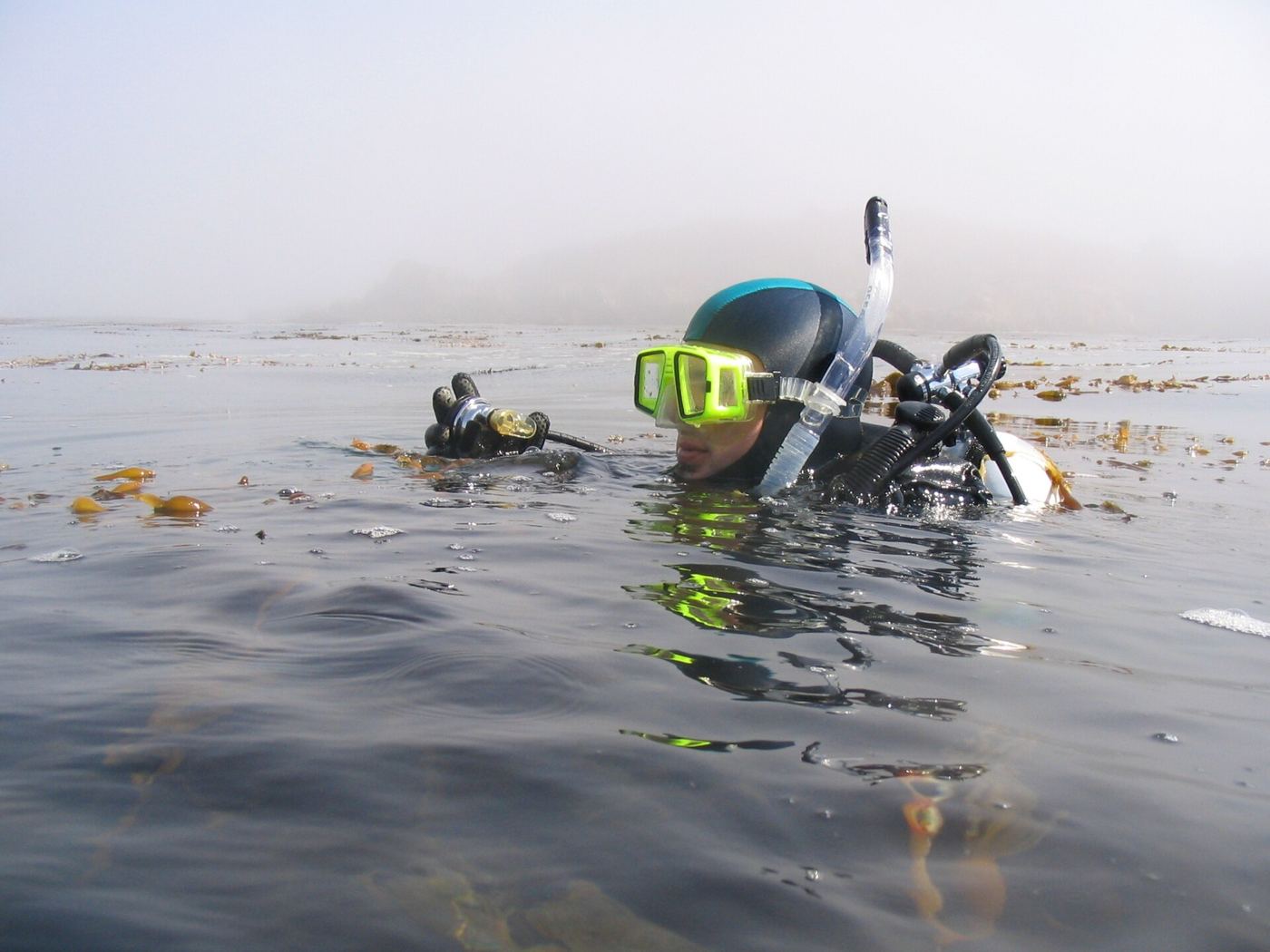
Divers off the coast are replanting giant kelp on bare rocky reefs where warming water and grazing sea urchins stripped the forests away. Marine biologists attach young kelp grown in shore laboratories to lines anchored on the seabed, then monitor survival through the first storm season. Early surveys show crabs, juvenile fish and abalone returning to restored plots within months. Kelp grows remarkably fast, sometimes half a metre a day, storing carbon and softening wave energy along exposed shores. The restoration teams say the goal is not a single plantation but a connected chain of recovering forests.
What the Evidence Shows
Researchers stress that replanting only works where the original pressures are also eased. Urchin numbers are being reduced by divers, and sites are chosen where cooler currents still reach the coast during heatwaves. Volunteers help rear kelp seedlings, giving the projects local support and extra hands. If survival rates hold through winter, the method could guide restoration along other temperate coastlines facing similar losses. The next season will test whether the young forests can reproduce on their own, which scientists call the true measure of recovery rather than simple planting numbers. Reporting and analysis from sources such as National Science Foundation track the same developments, and specialists following divers replanting kelp on reefs say the direction is now consistent across independent lines of evidence.
The Wider Context
The wider context is a research landscape in which replication and open data now decide reputations. Findings connected to divers replanting kelp on reefs are being checked by independent groups with shared datasets, and the teams involved publish their methods in full so rivals can test every step. That discipline is slower than a headline cycle, but it is why results in this area increasingly survive first contact with scrutiny.
What Happens Next
What happens next in the story of divers replanting kelp on reefs will be decided by follow-up work already under way: larger samples, longer observation and instruments that have not yet come online. The researchers involved are unusually united on one point, that the current results justify the next investment of time and money. Readers will not have to wait long for the first tests of that claim. You can follow related developments in our coverage of science.
There is a practical lesson in all of this for readers deciding what to do today. Start with the verified facts, be wary of anyone promising certainty, and prefer reversible steps while the evidence is still developing. Circumstances differ by country, income and personal situation, so general guidance should always be weighed against your own context before you act on it in any significant or lasting way.
It is also worth remembering how quickly the picture in this area has changed before. Positions that looked settled a few years ago have been revised as new data arrived, and the same humility is appropriate now. The strongest coverage of this subject, and the most useful advice, tends to come from sources that update their views openly when the facts move, rather than defending an earlier position long after it has stopped fitting the evidence available.